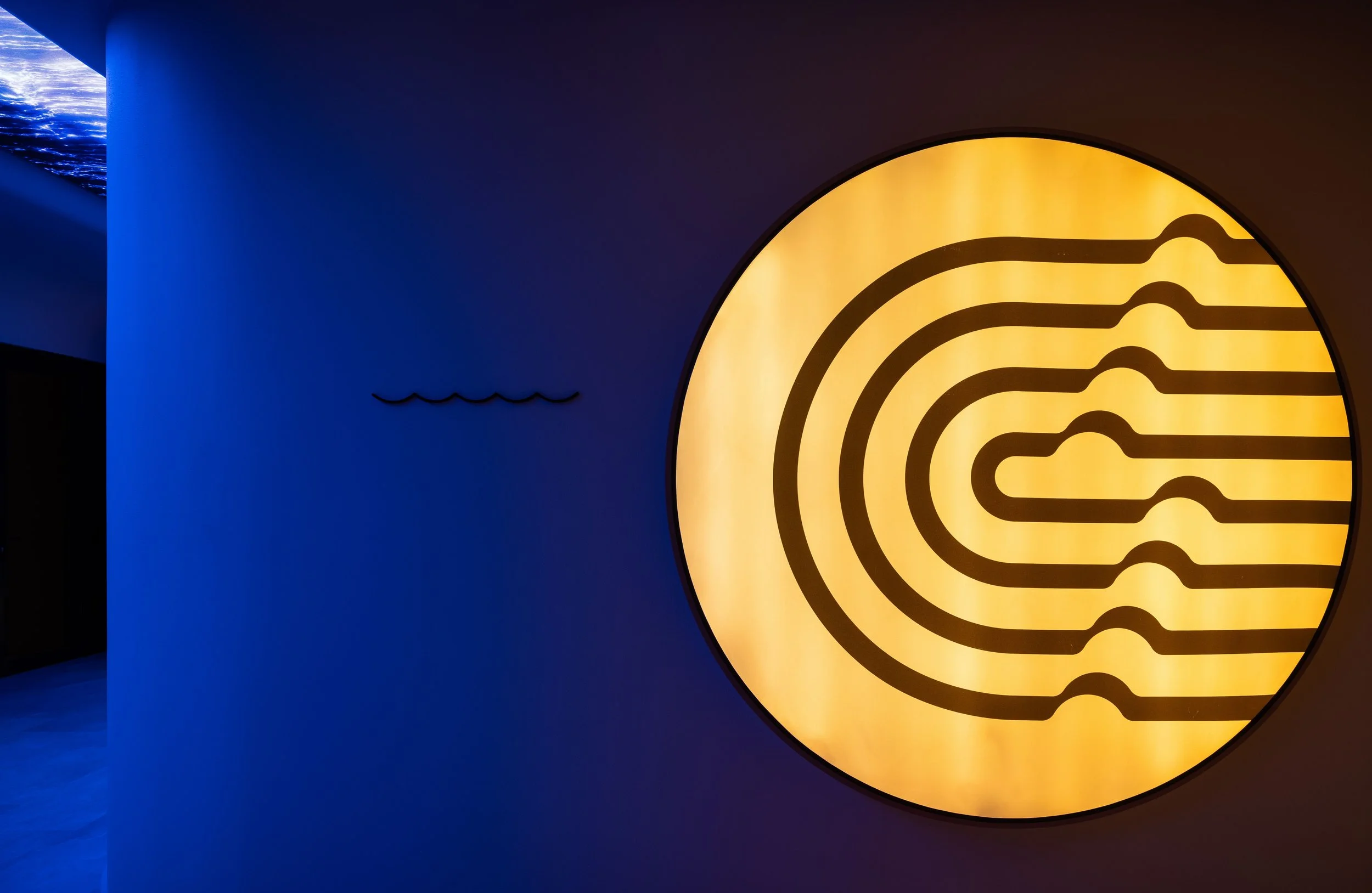
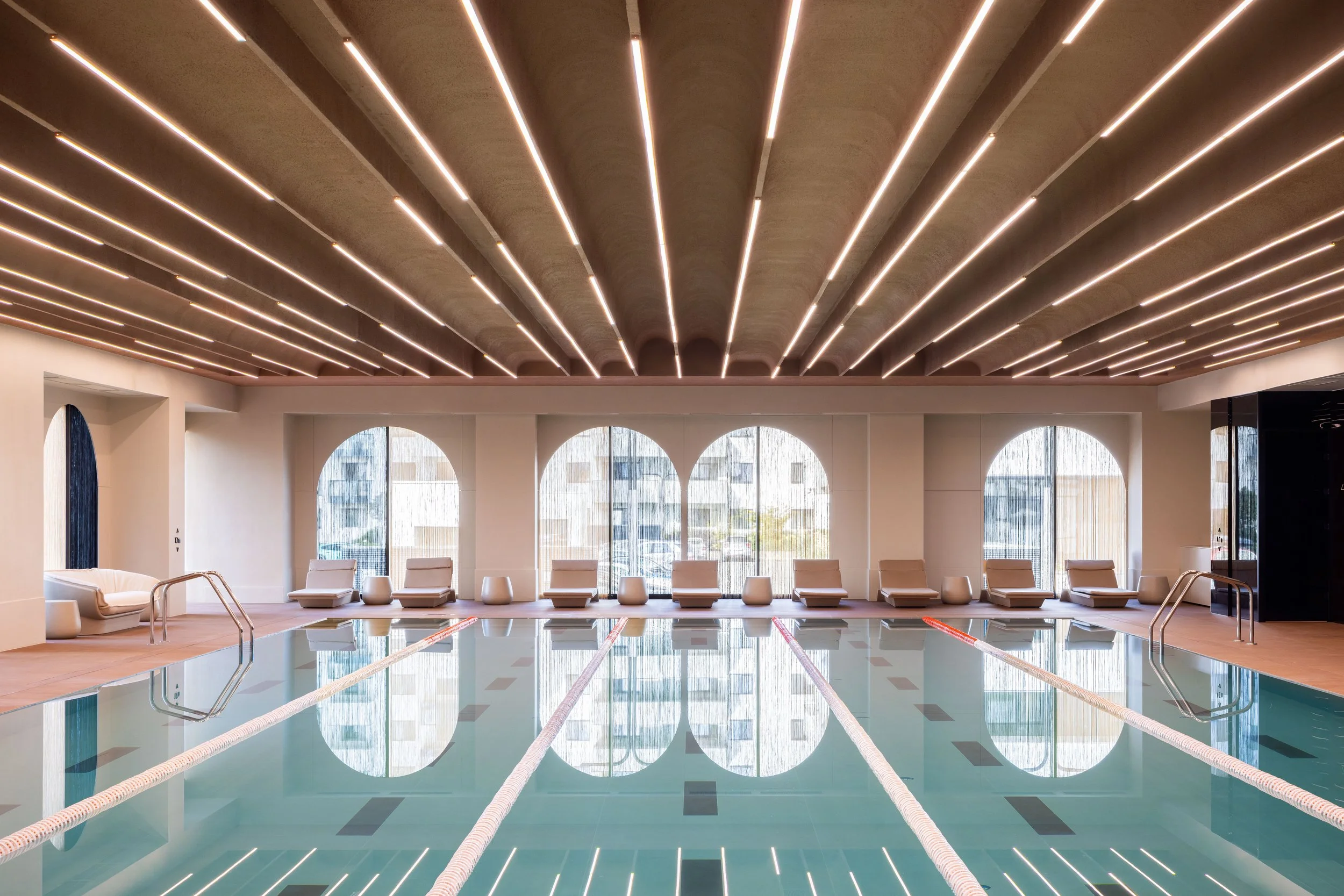
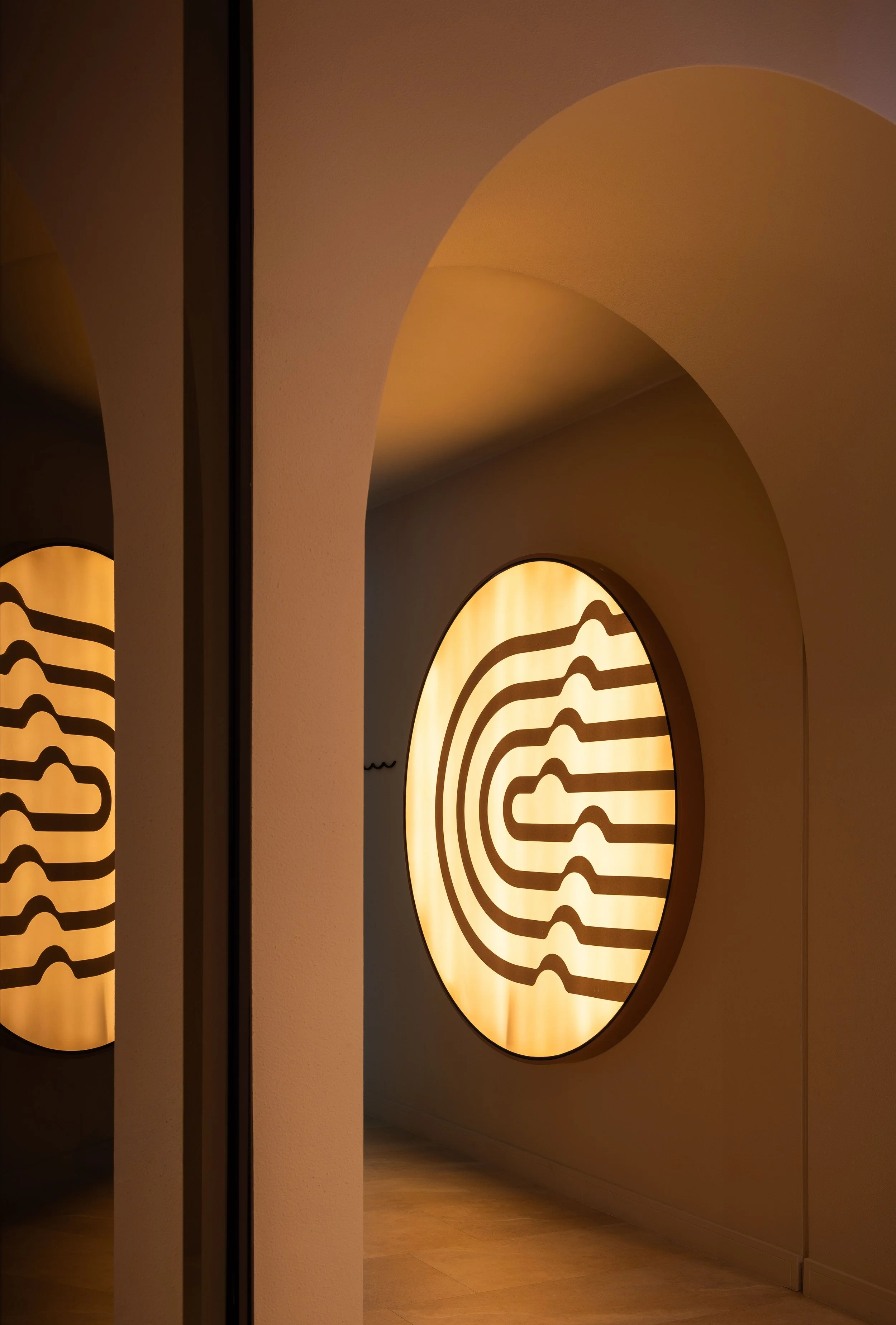
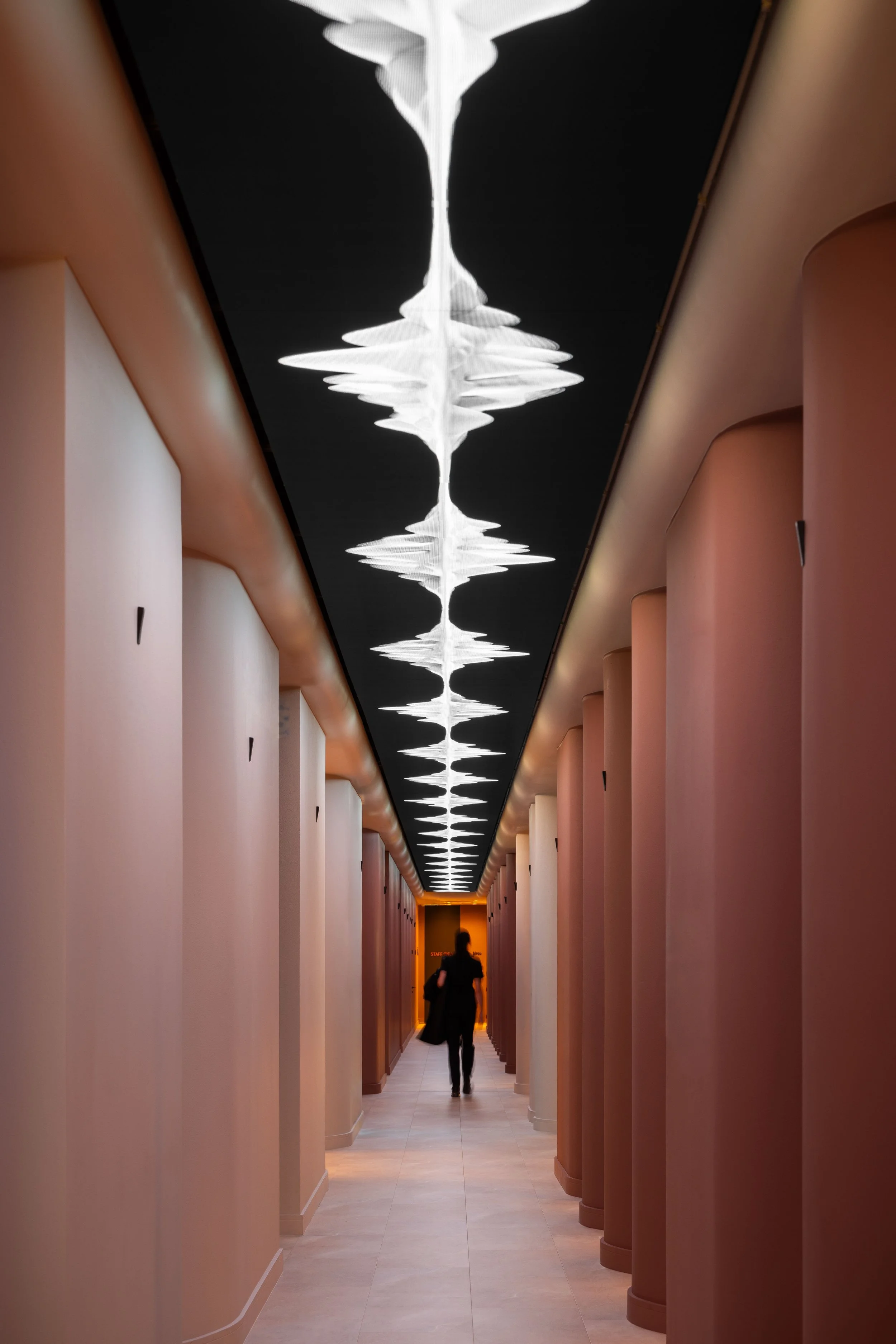
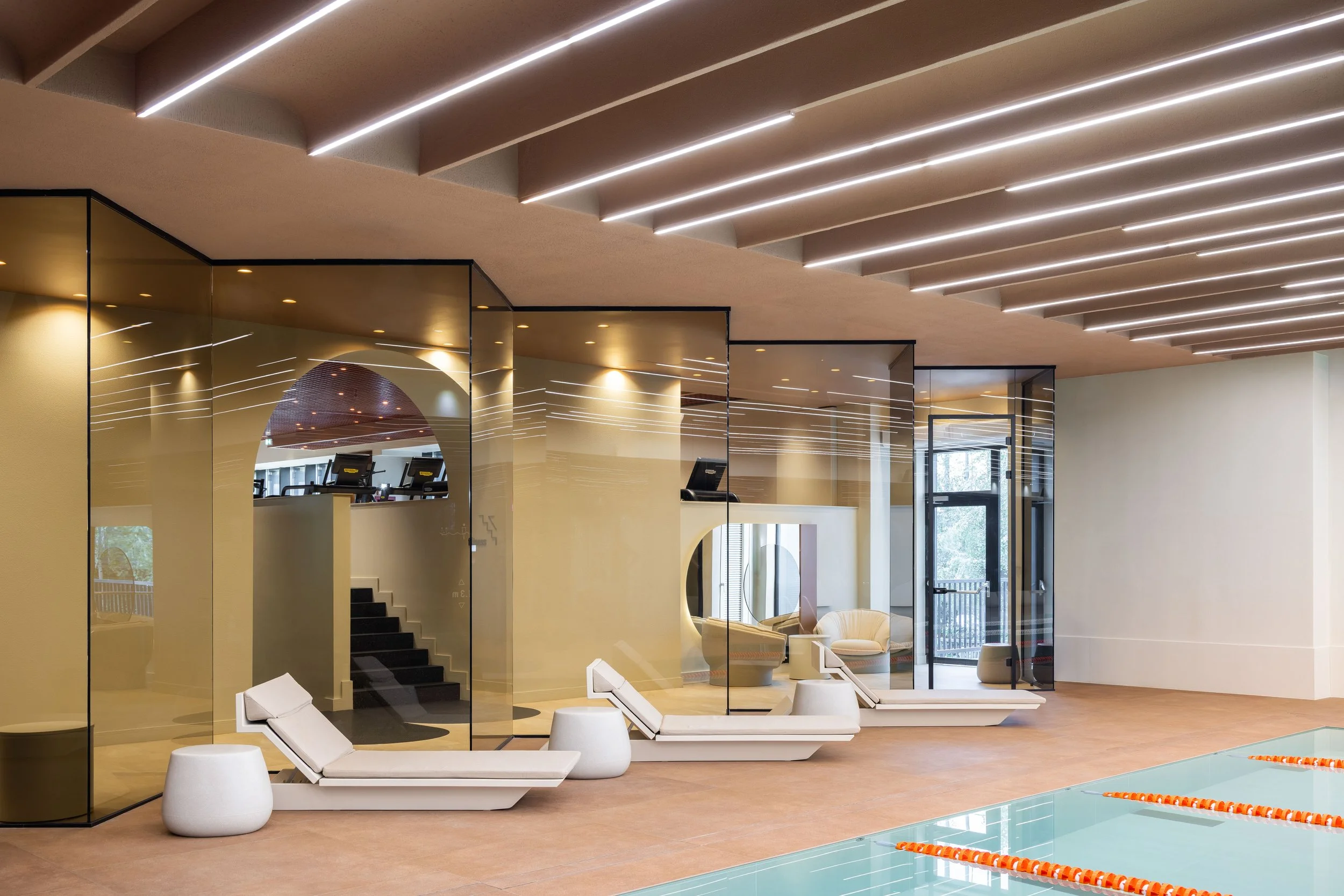
people don’t reject effort. they reject how a place makes them feel before they even begin.
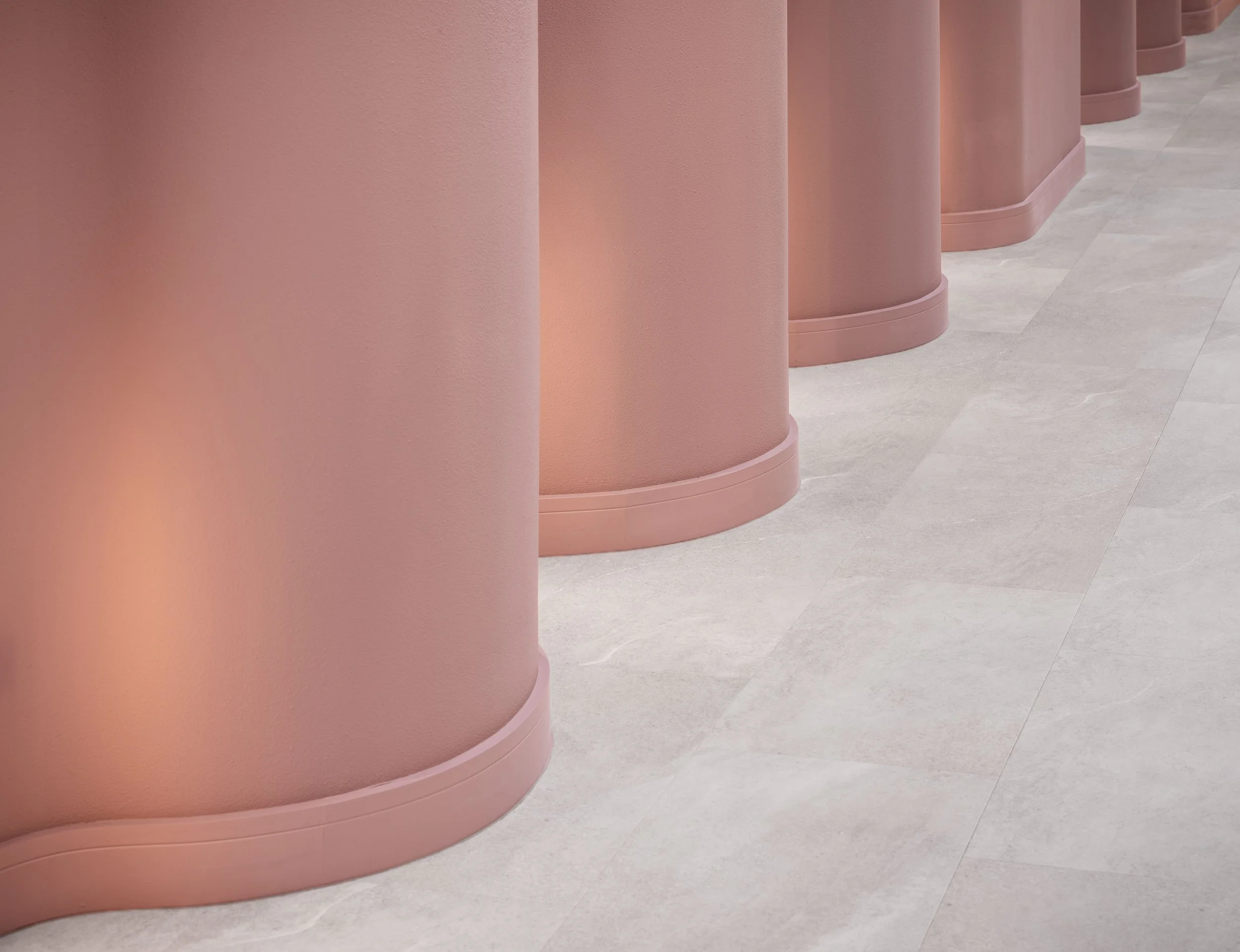
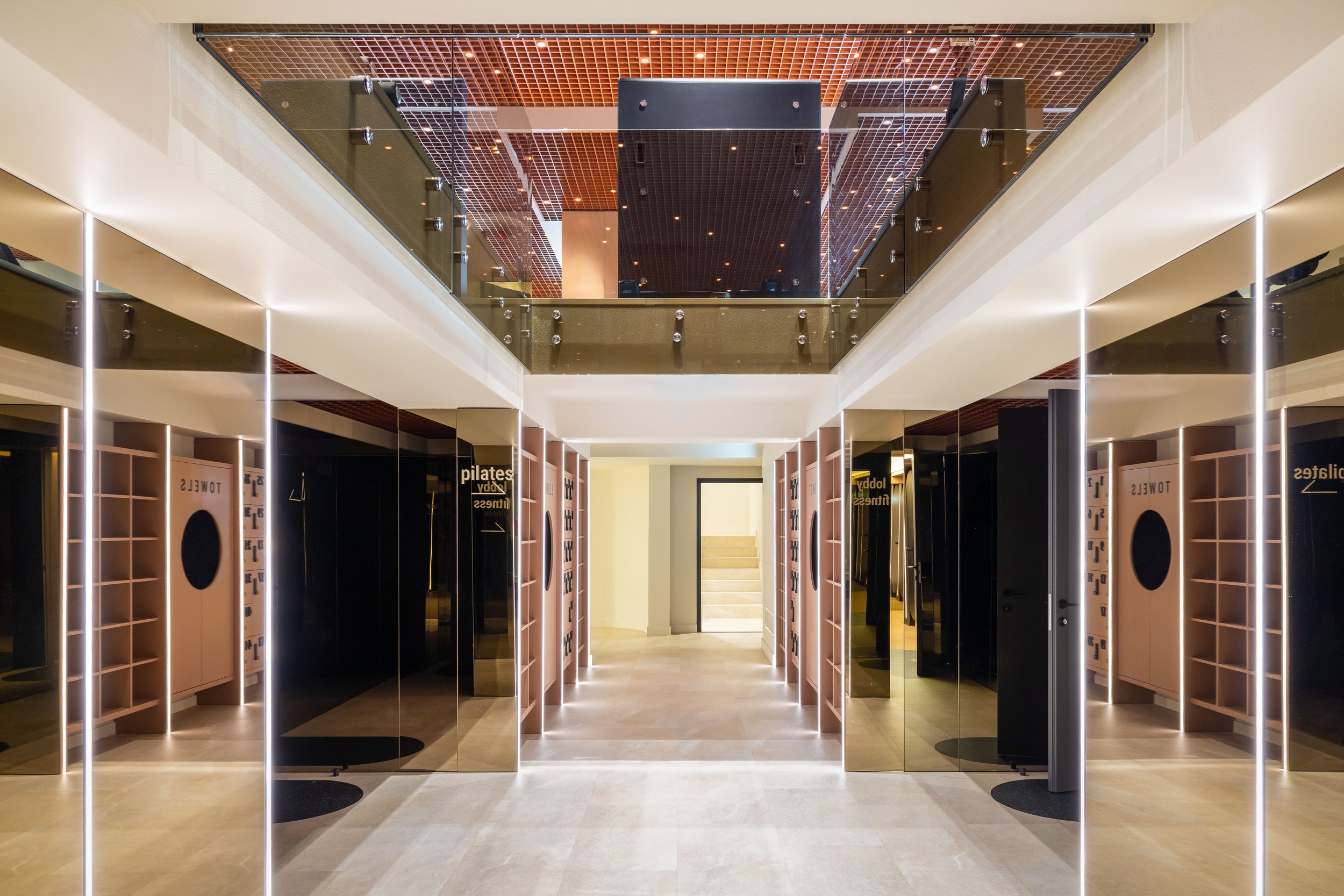
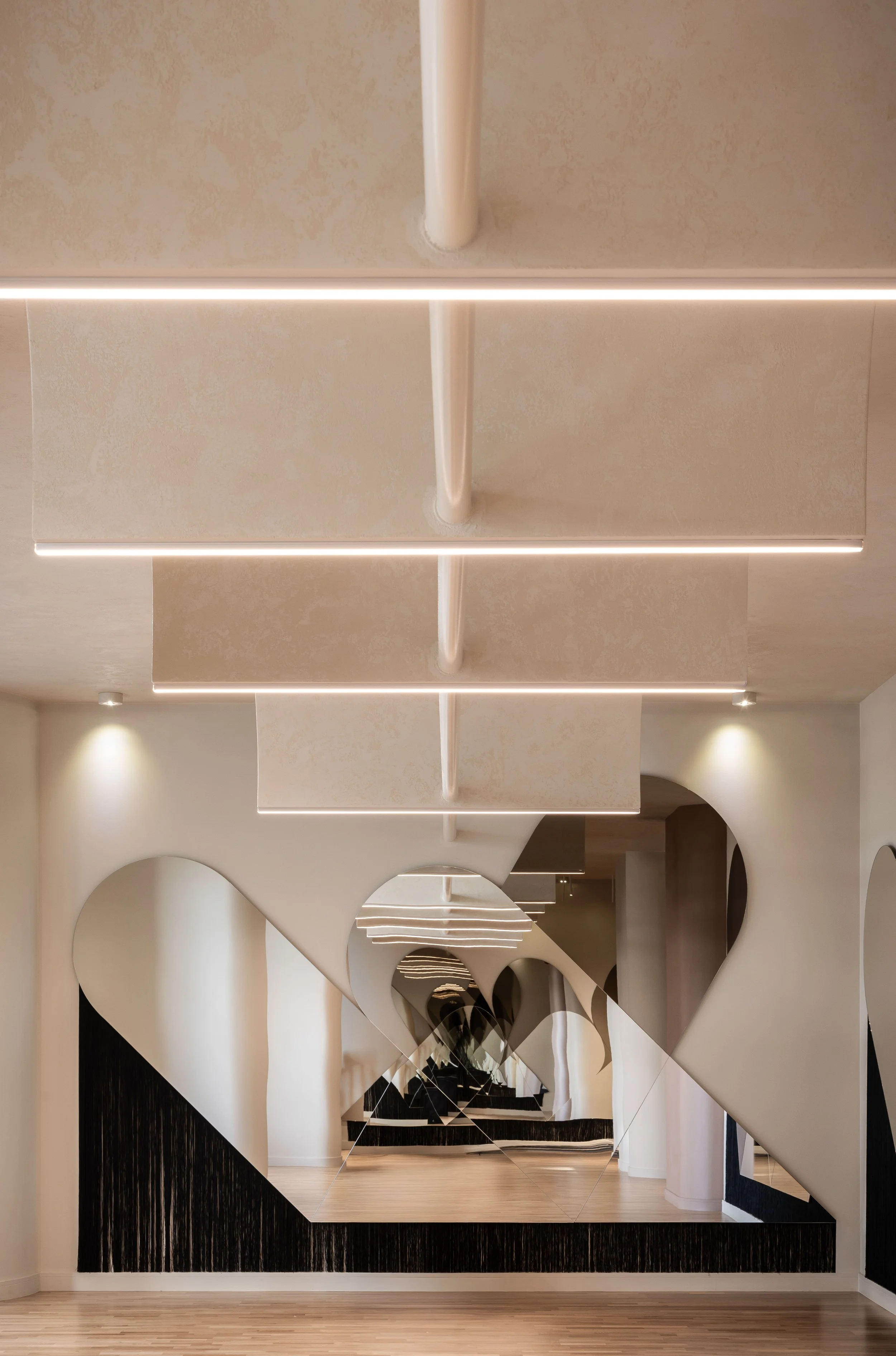
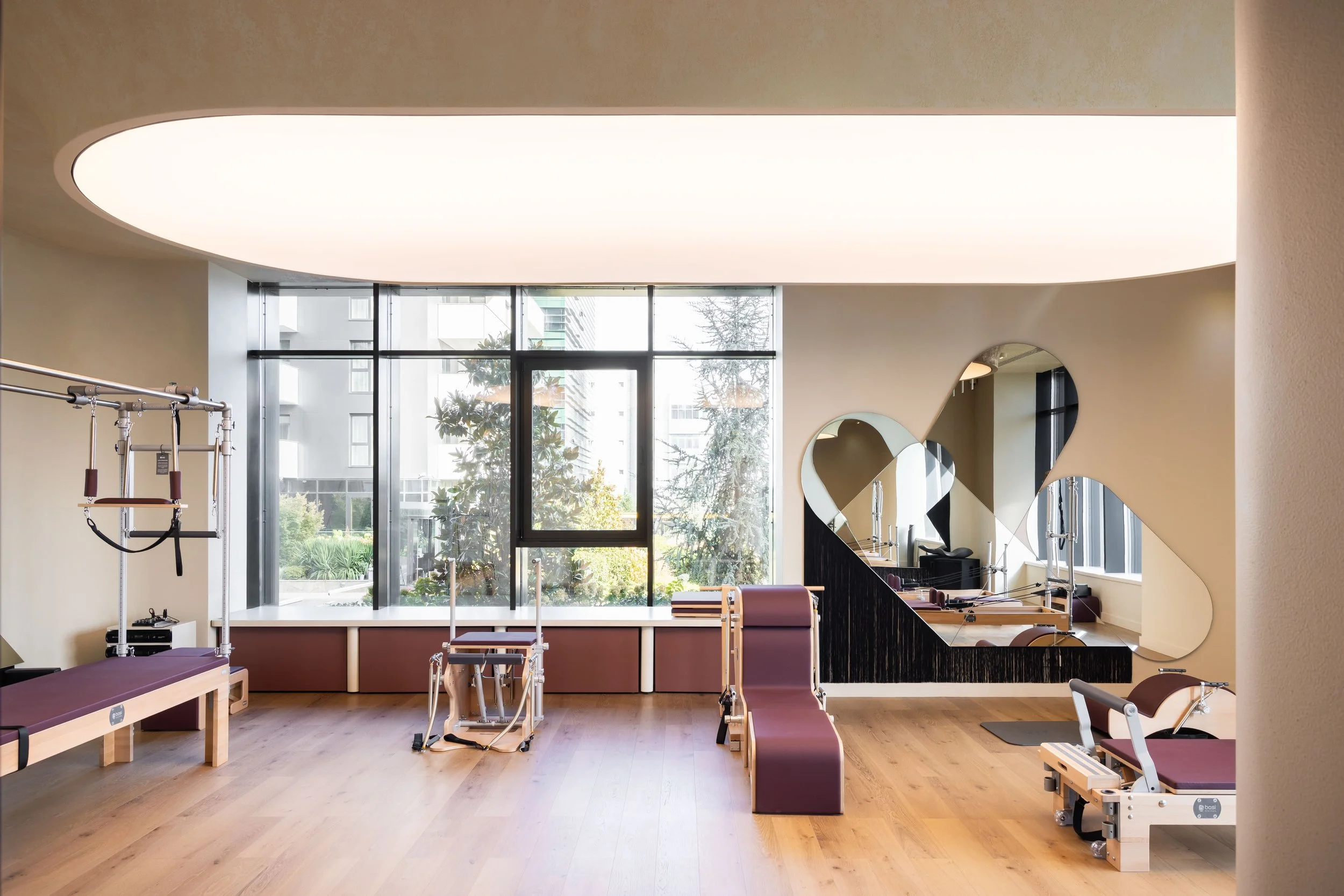
harsh light, like an interrogation. visual chaos that never settles. noise that says “perform” when the body still whispers “maybe tomorrow.” the subtle sense of not belonging. a space that exposes you.
and still, the wellness industry keeps investing in newer equipment, more flexible memberships, tracking apps.
yet retention tells the truth: people who paid in january, gone by march.
invisible friction
there’s a moment—you know it, even if you’ve never named it—when you stand at the door and something in you hesitates. not laziness. not lack of time. something finer: resistance you can’t explain, but you feel in the body. it’s the body reading atmosphere.
in hyper-stimulated cities, motivation is fragile. and environmental friction can tip the scale between “i continue” and “i’ll start monday.”
shangri-la: whispers of eternals
beyond the grasp of time, where mountains embrace the sky and the air hums with quiet reverence, a sanctuary unfoldshere, architecture does not impose but dissolves, a delicate veil between the visible and the unseen, where the rhythm of nature is the silent muse, shaping itself in harmony with the earth’s breath—gentle, ephemeral, eternal.
it is a place where balance is not sought but simply exists—time is a forgotten current, flowing through serene landscapes untouched by unrest; where every path does not merely traverse space but leads toward stillness. light filters through ancestral air, tracing forms that belong as much to memory as they do to matter.