rukh

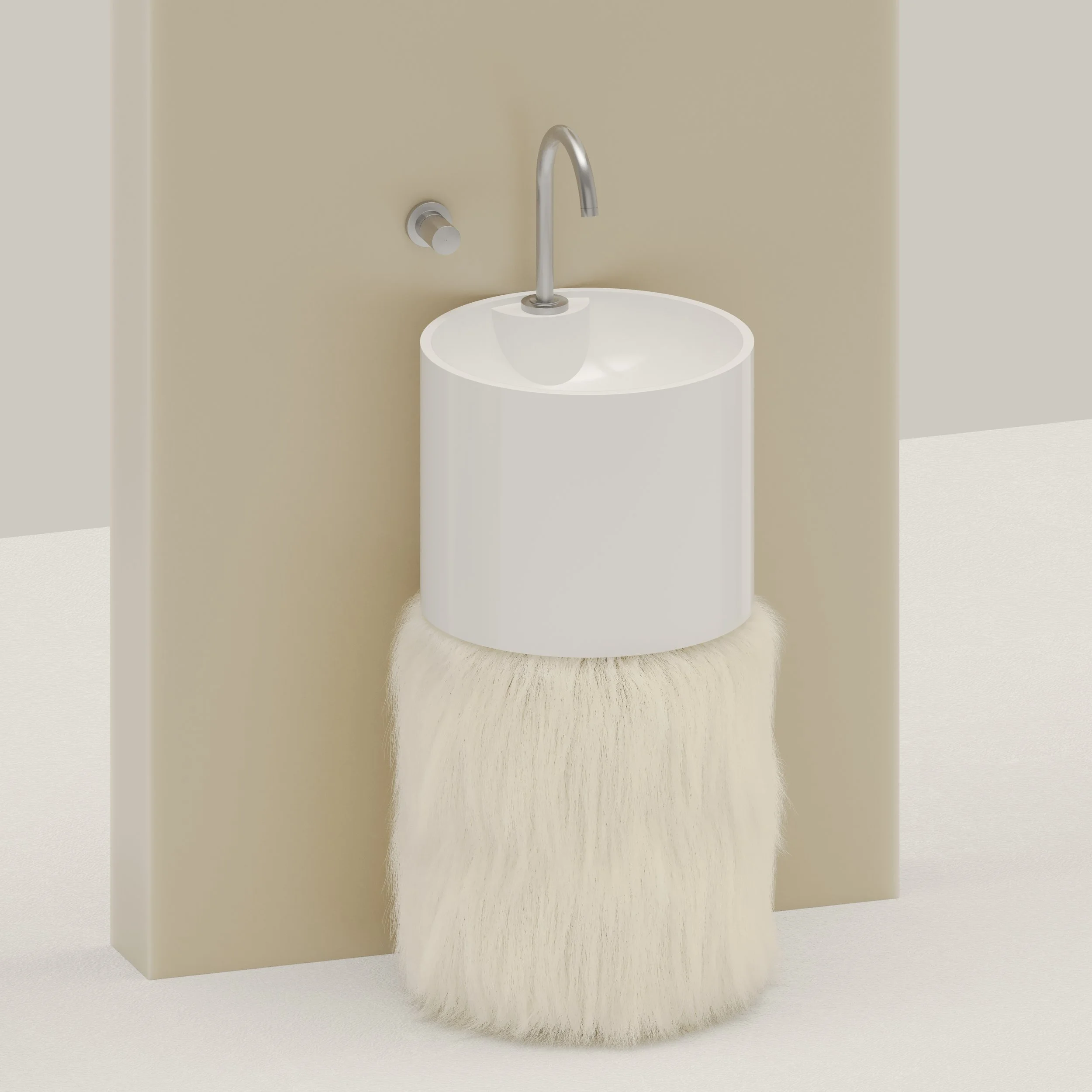
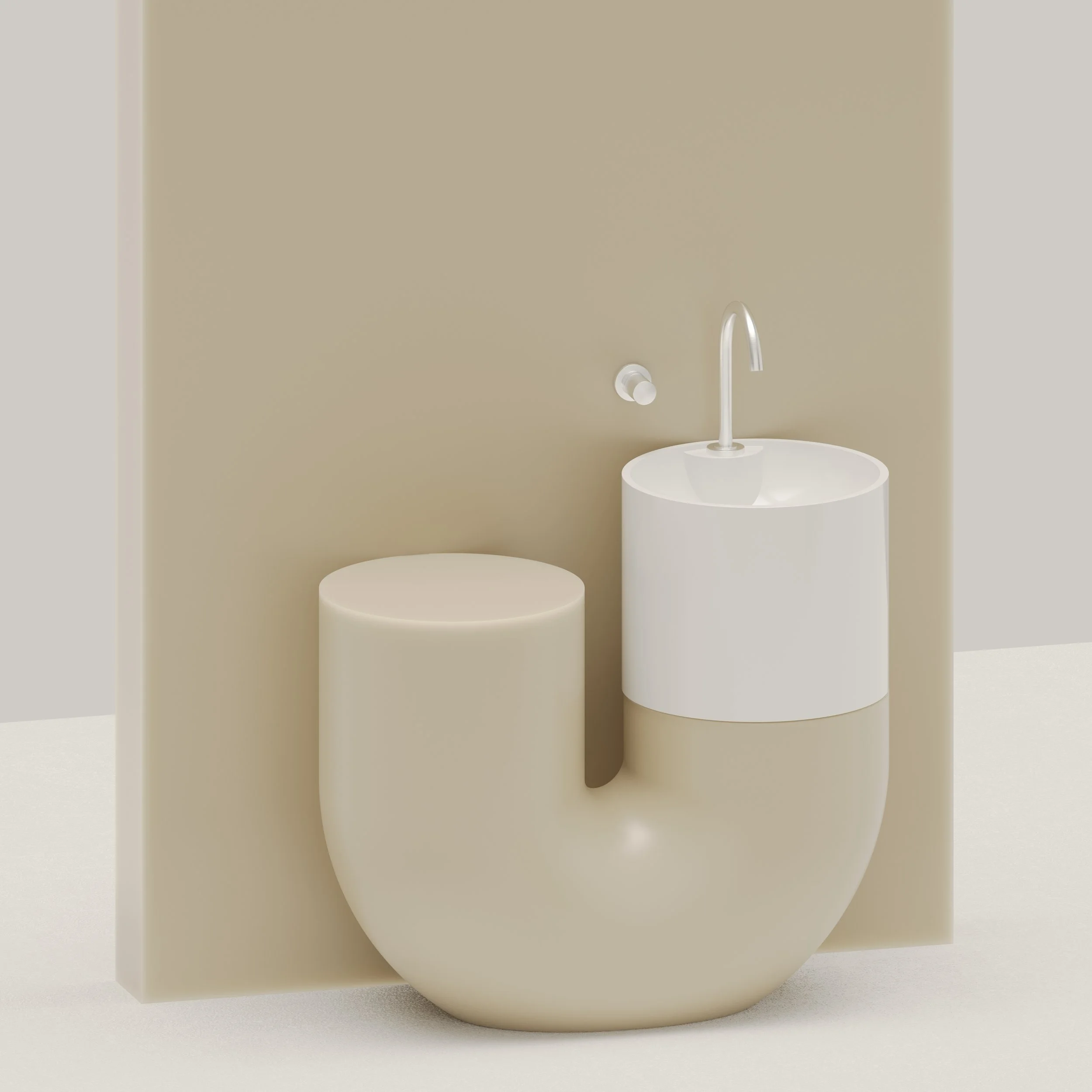
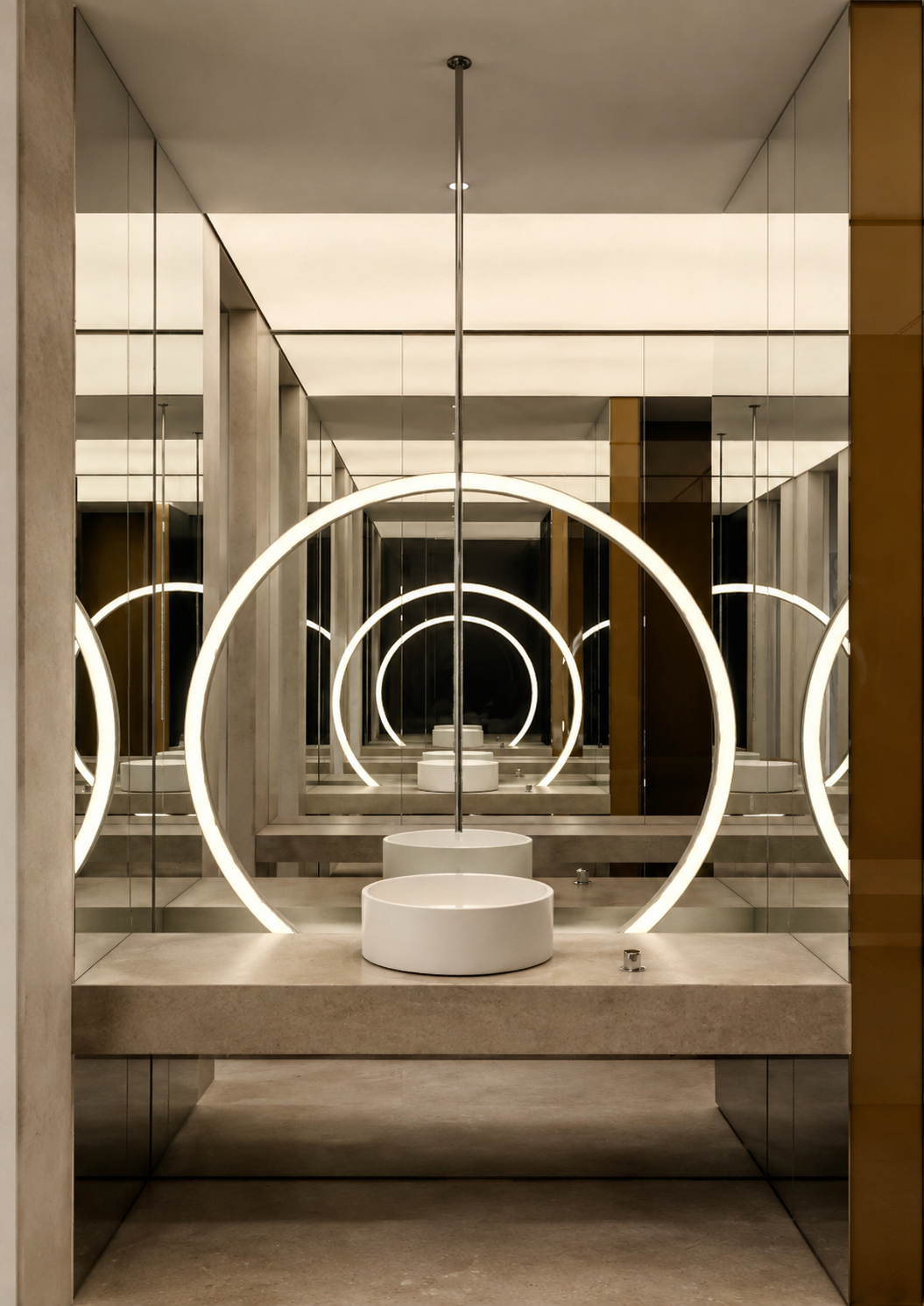
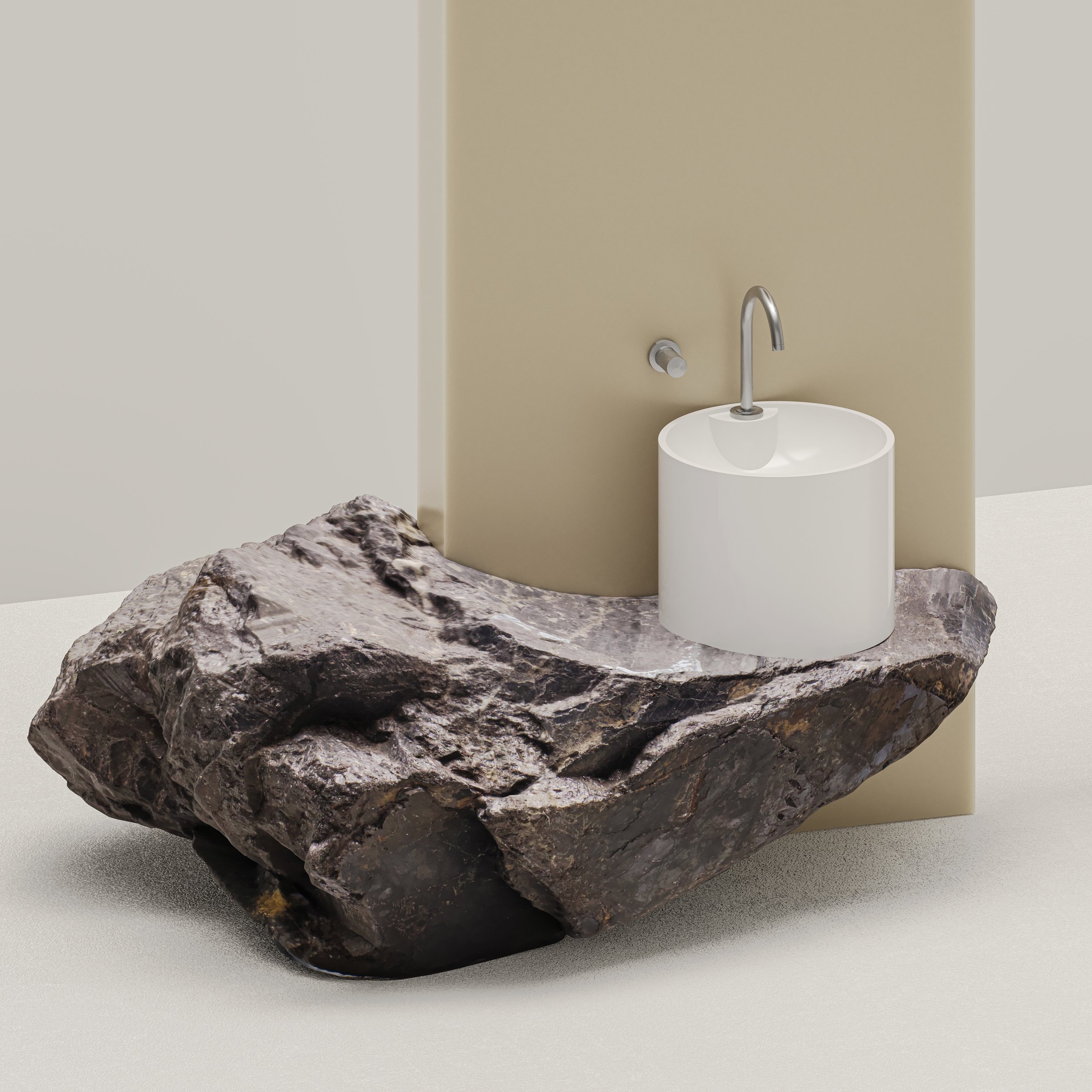
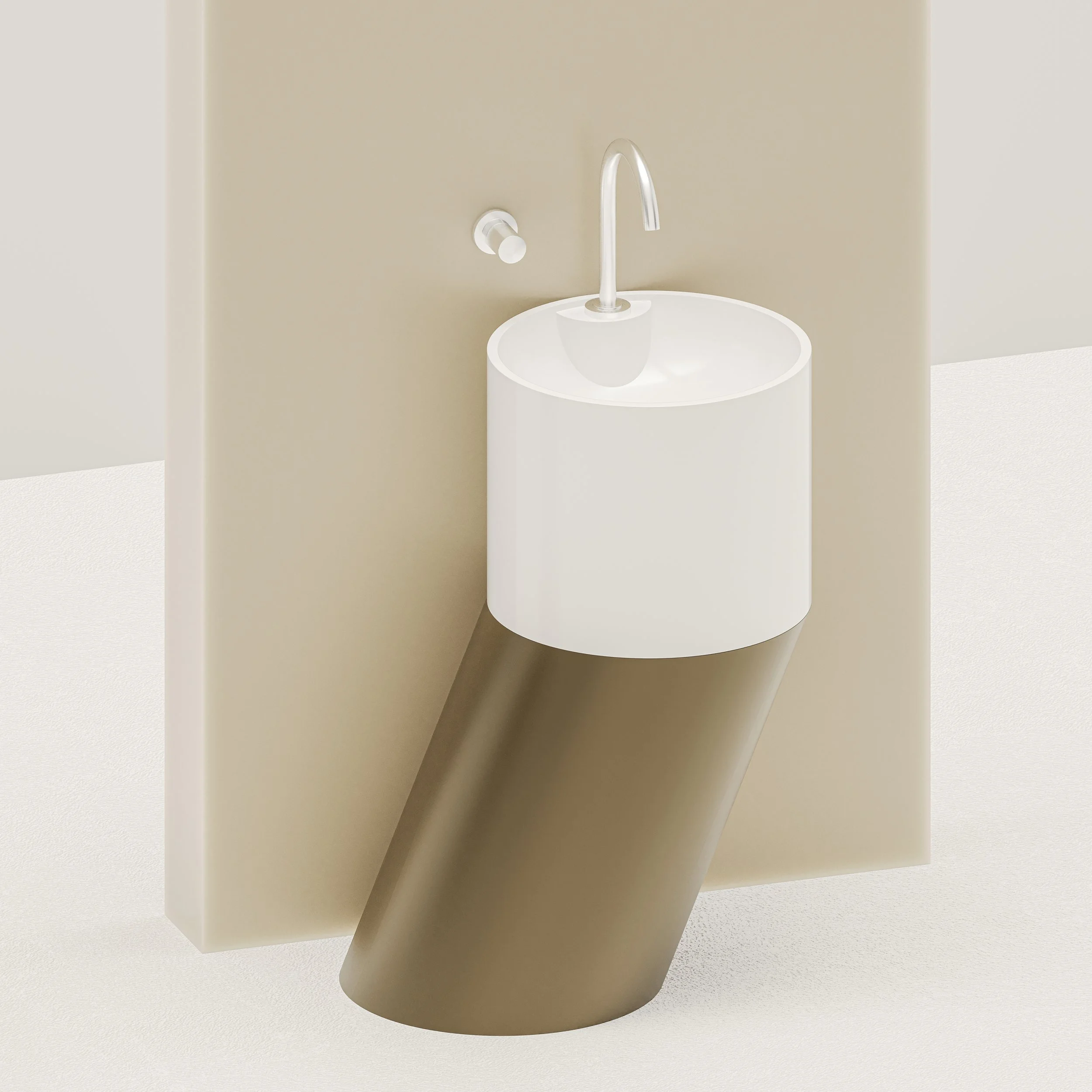
rukh, draws its origin from the ancient persian chess piece. rooted in this legacy, the design embodies a quiet sense of power.

rather than existing solely as a functional bathroom basin, rukh is conceived as a spatial object—an intervention that occupies its environment with clarity and purpose.

its form is not arbitrary; it is guided by the idea that freedom is not the absence of constraint, but the result of choosing a direction. each line, edge, and surface reflects a disciplined gesture, where movement is controlled and decisions are made visible through geometry.

the piece expresses a balance between solidity and openness, echoing the rook’s dual nature as both a defensive stronghold and an active force on the chessboard. in this way, rukh becomes a translation of strategy into form—an object that suggests both stillness and potential motion, anchoring the space while subtly guiding how it is experienced.
the dream that refused me

taking you back to the future of the phenomena aesthetics,


the manifest of the rejected space, exiled from our own utopias, because we forgot how to inhabit it;

the space becomes a memory arriving from the future, with objects that feel recovered from a world that has not happened yet;

the matter carries traces of an inevitable dream,

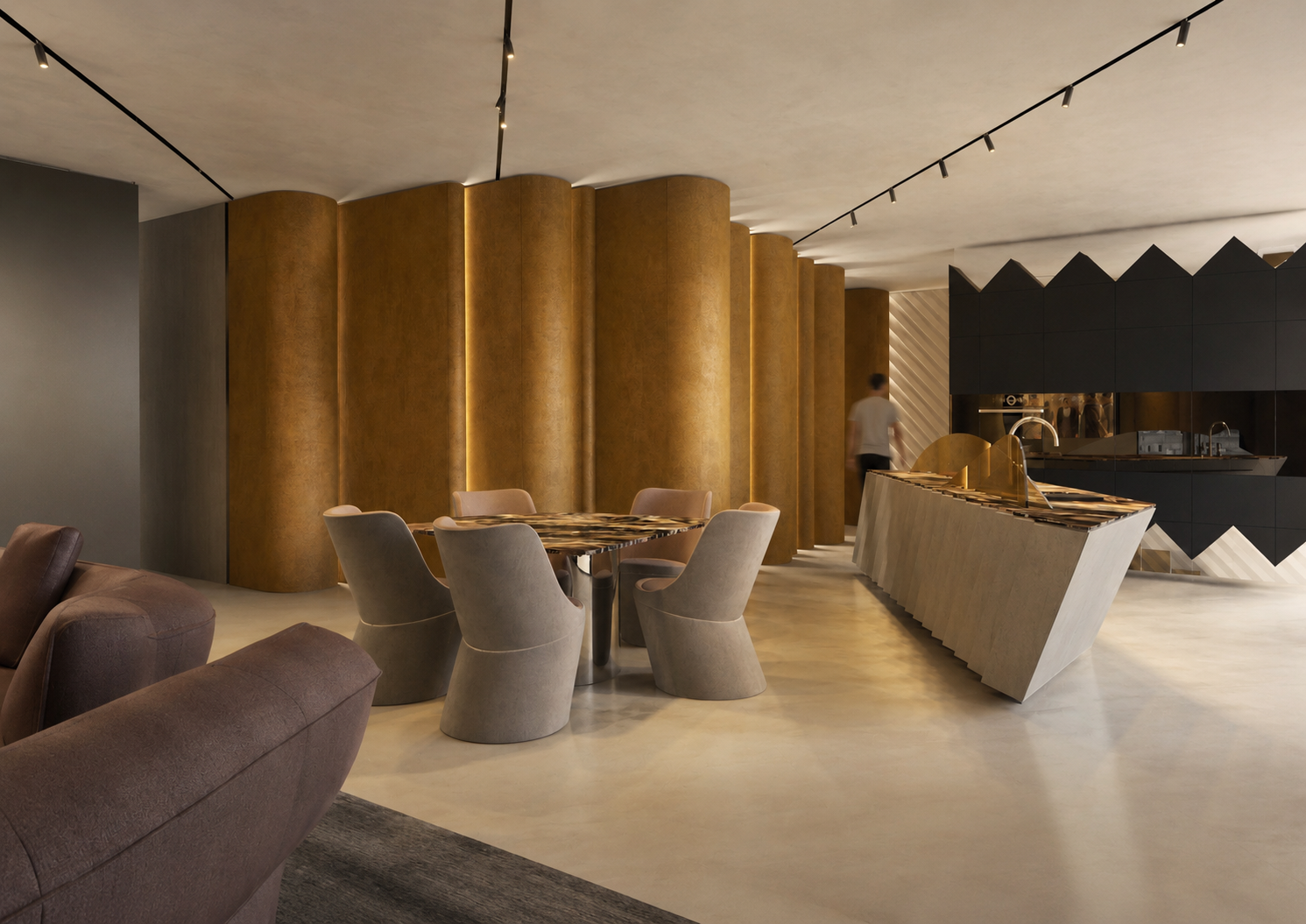
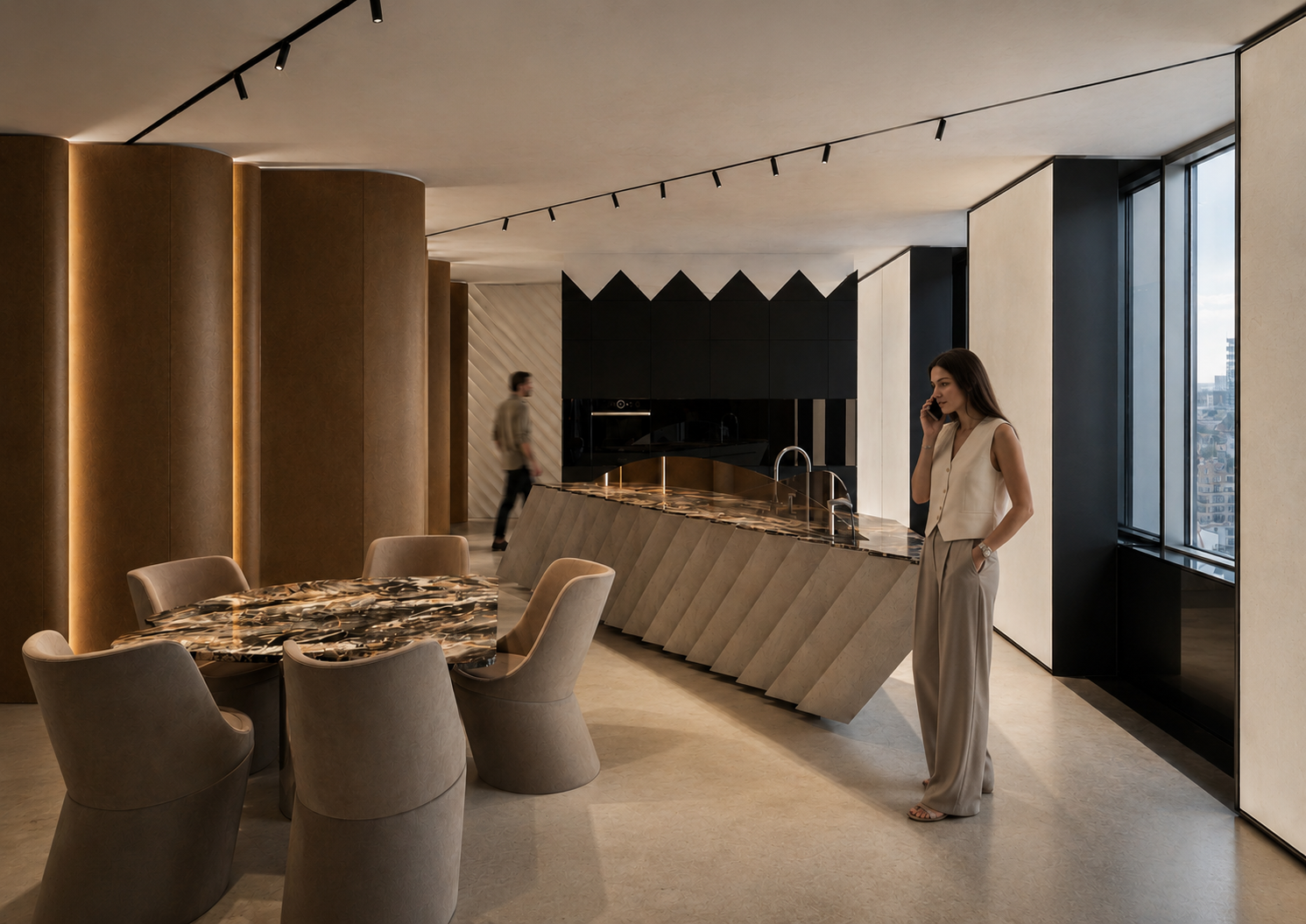
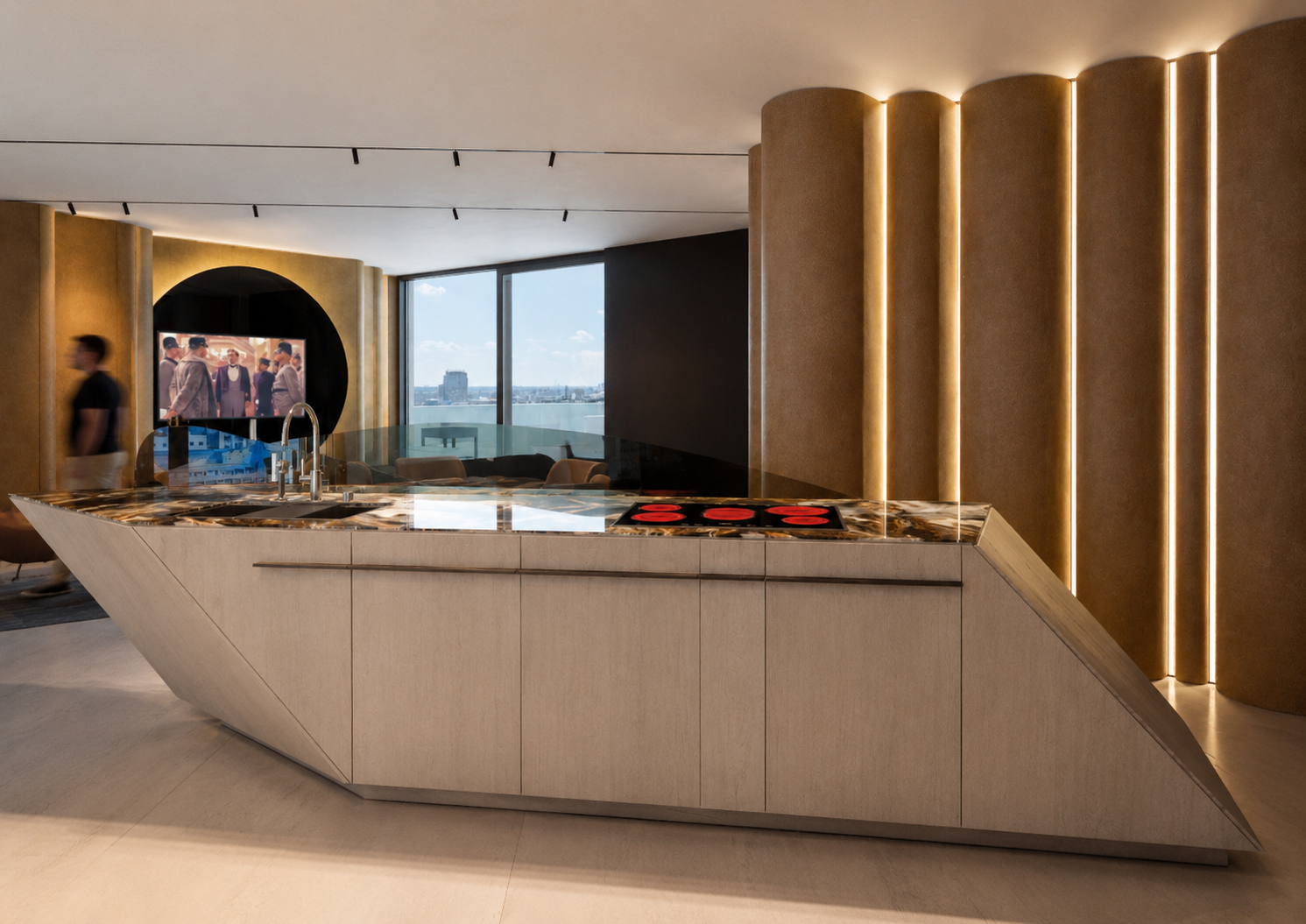
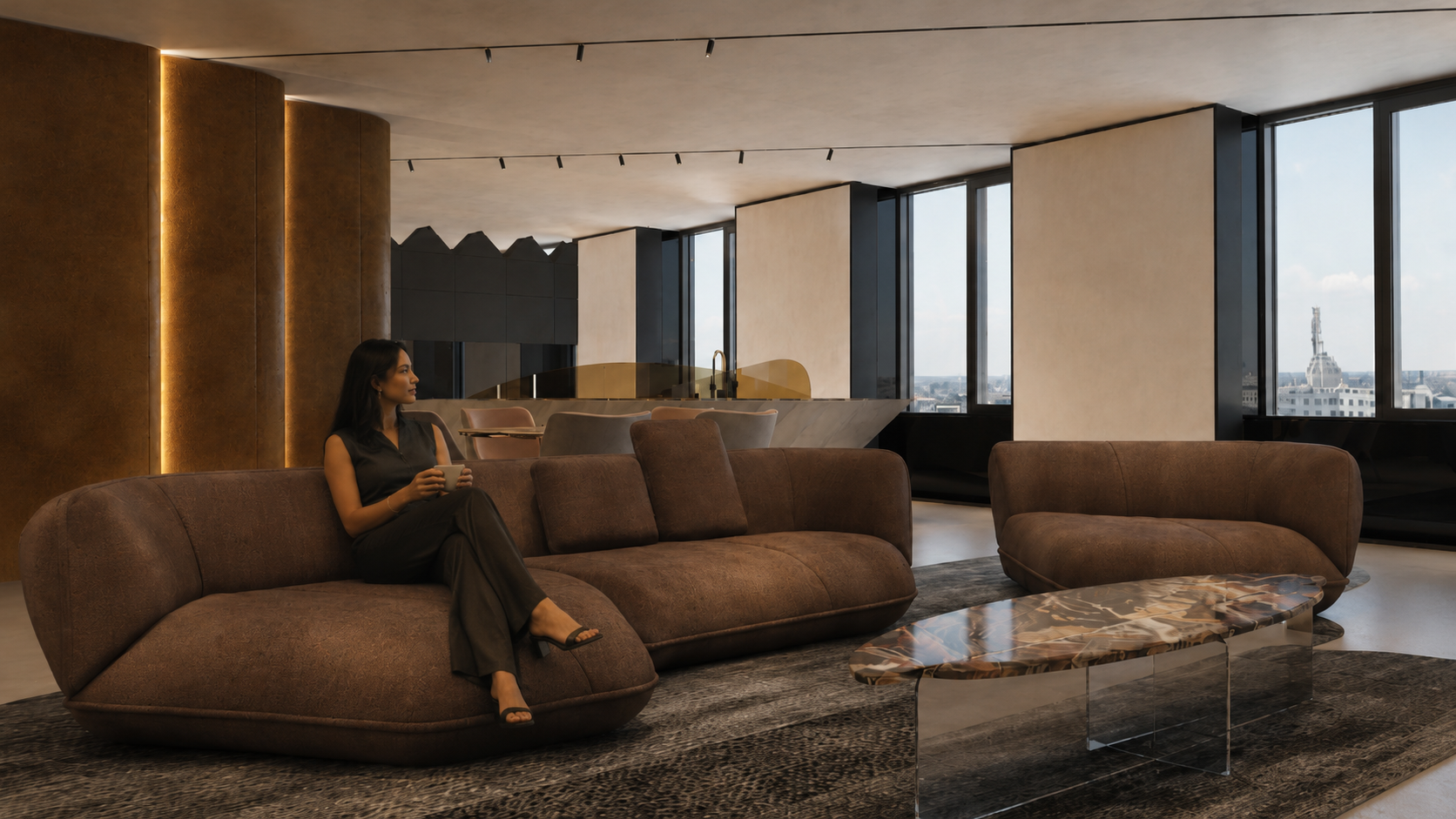
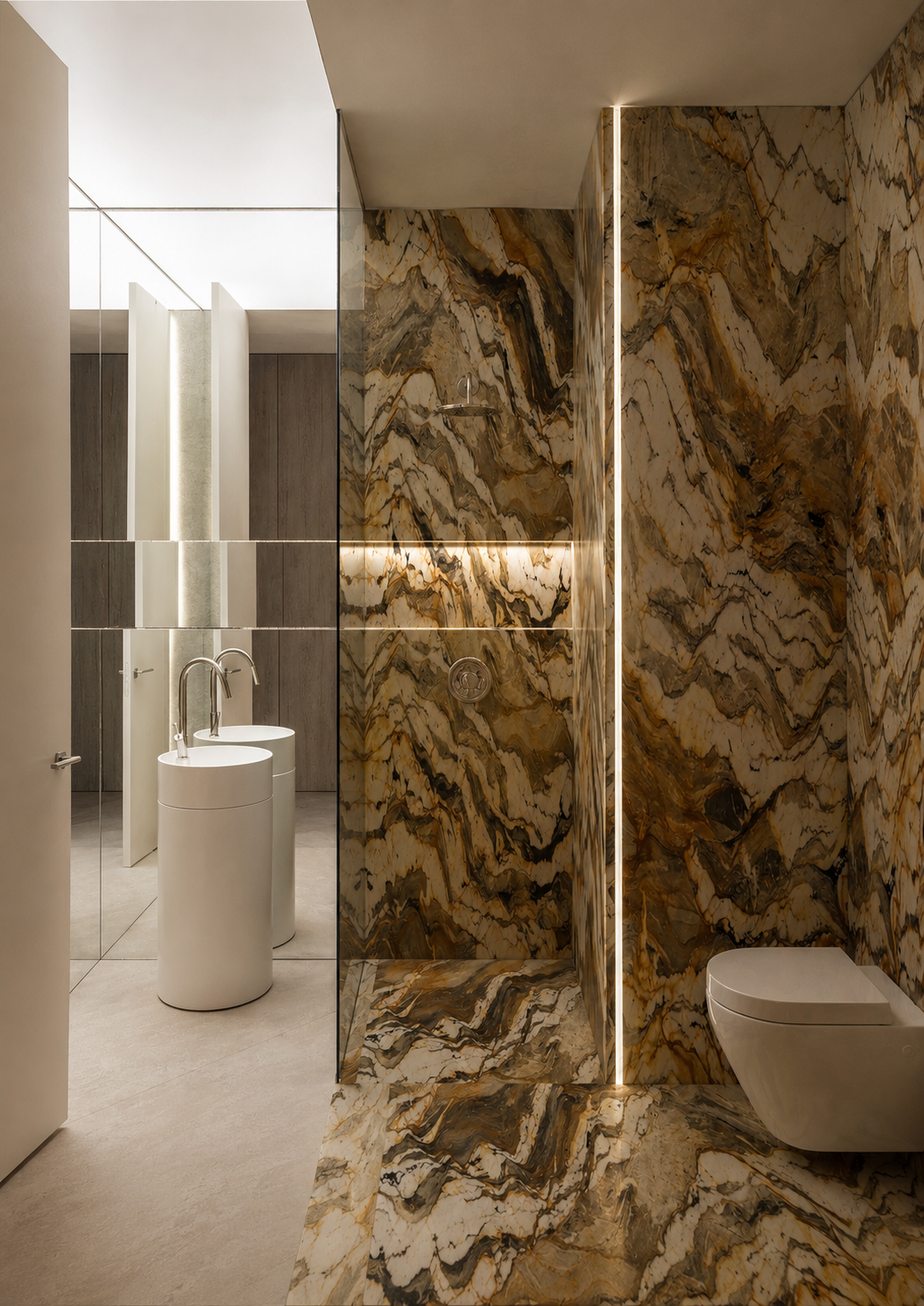
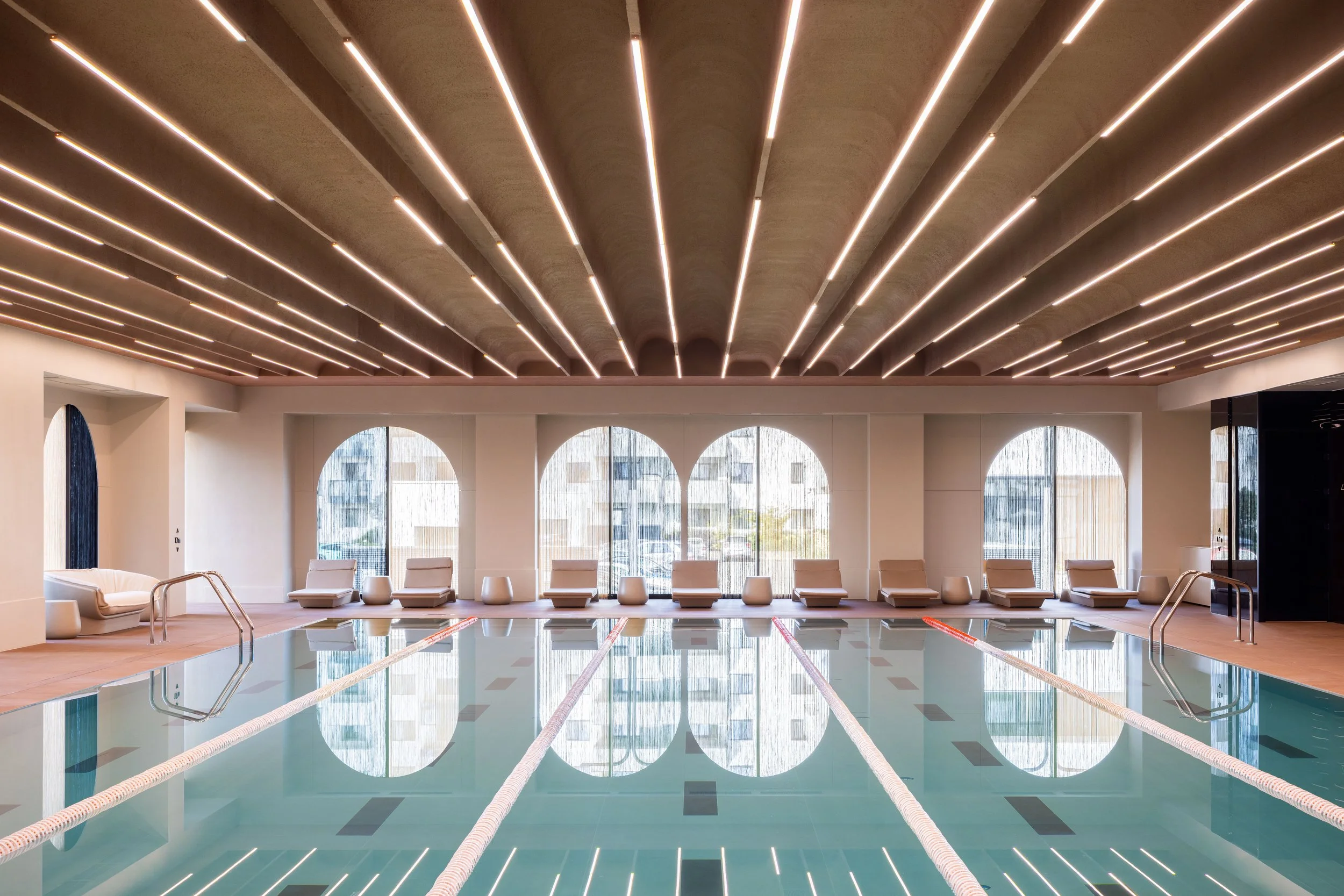
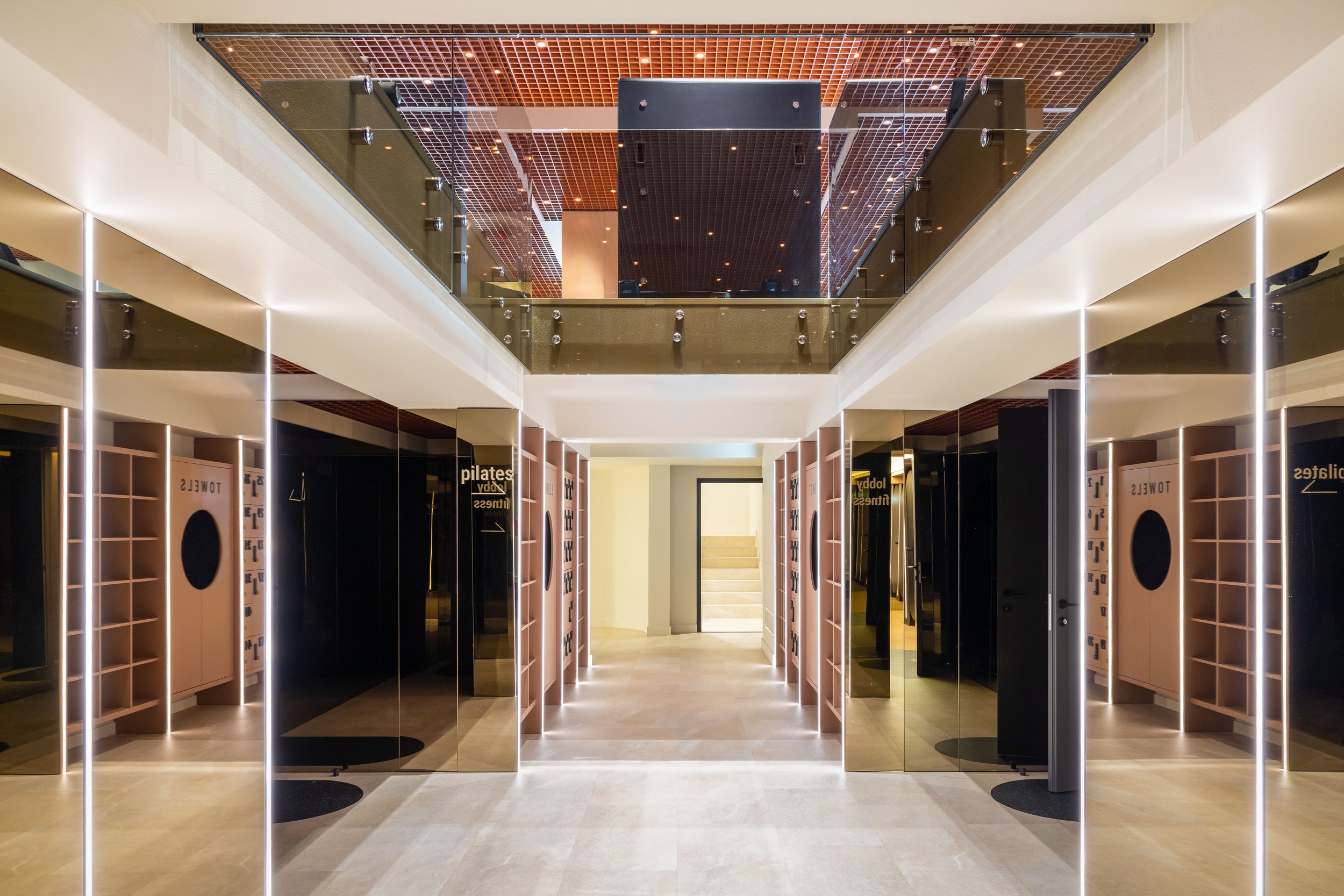
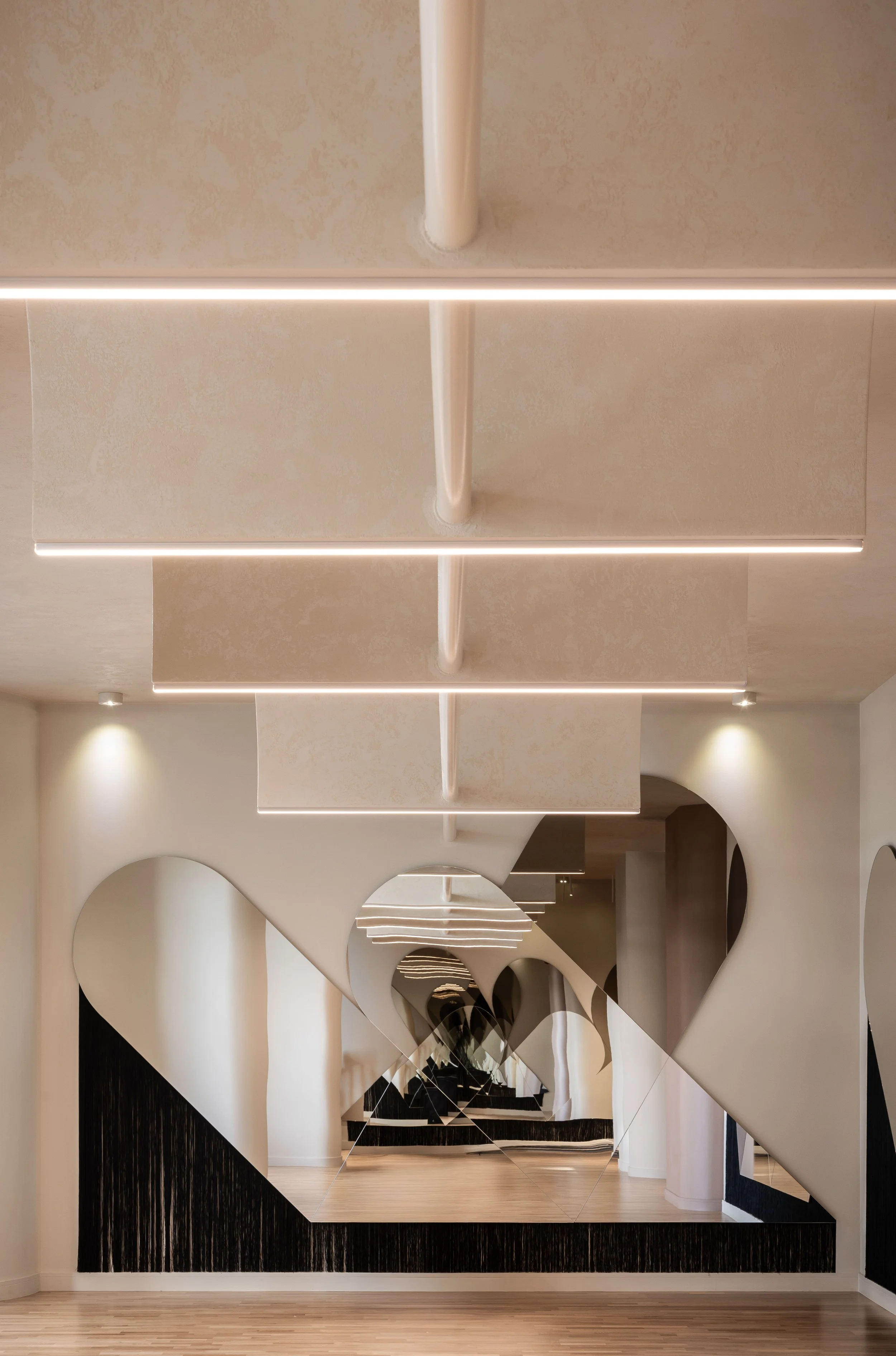
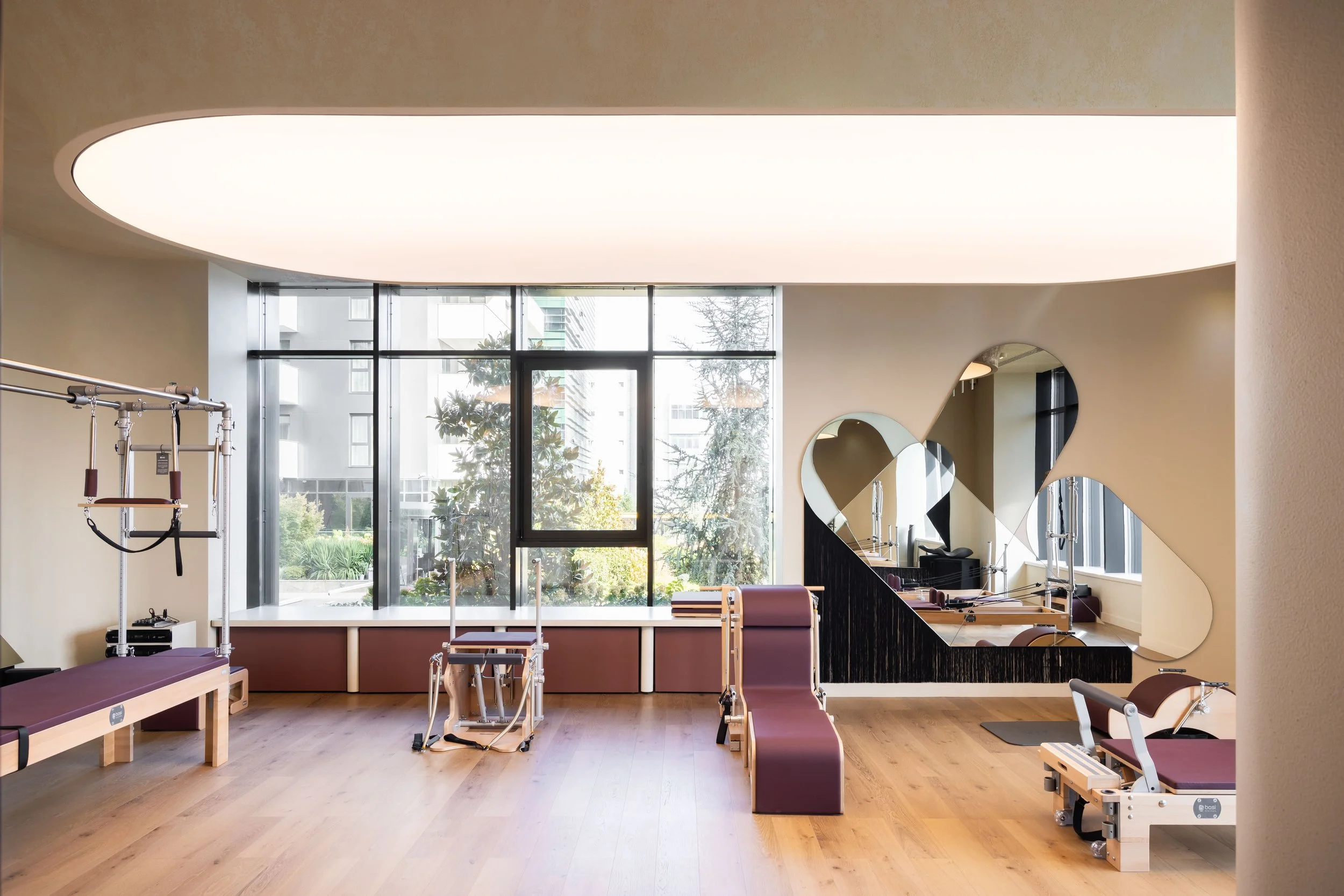
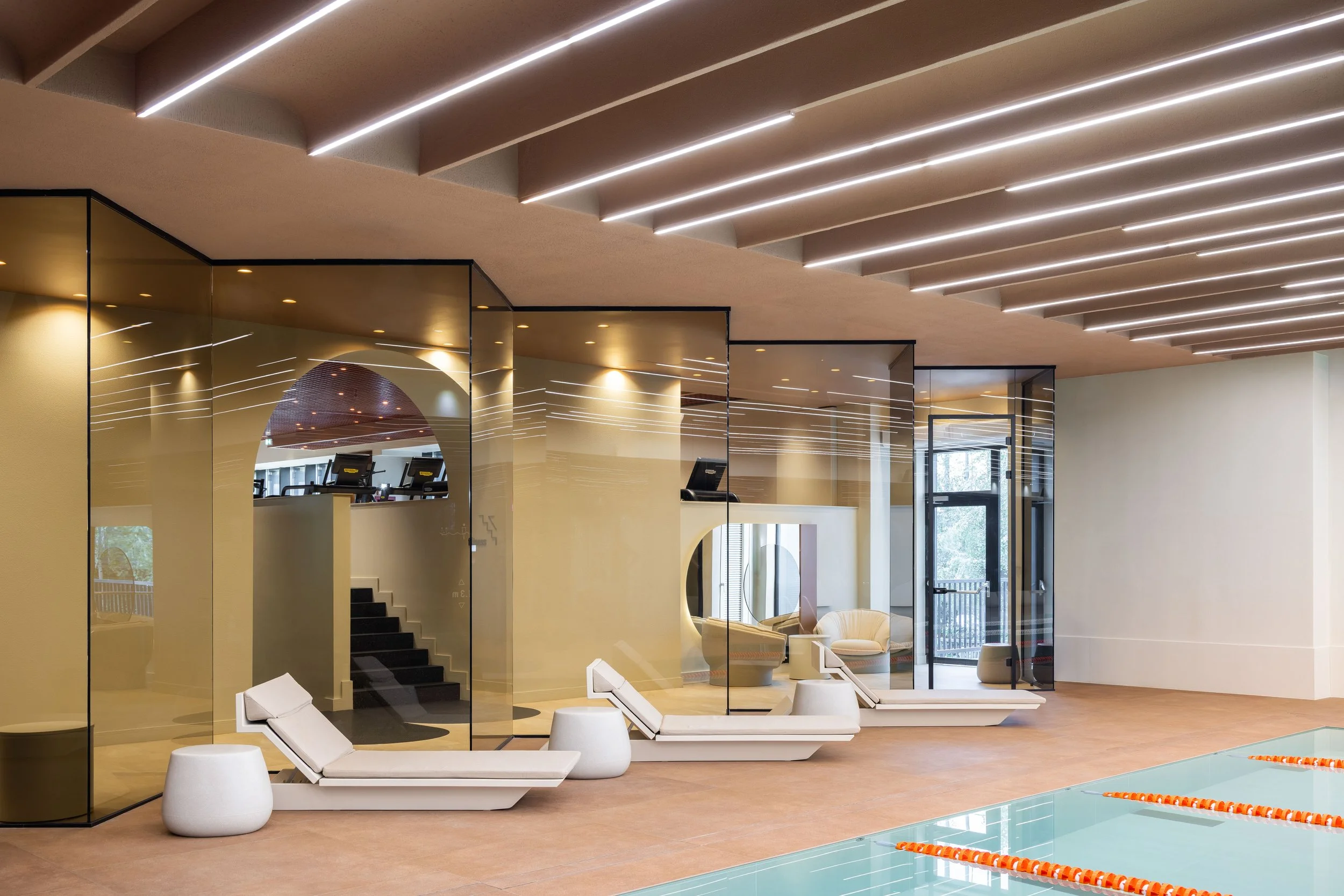
shangri-la: creating spaces between myth and matter

people don’t reject effort. they reject how a place makes them feel before they even begin.

harsh light, like an interrogation. visual chaos that never settles. noise that says ā€œperformā€ when the body still whispers ā€œmaybe tomorrow.ā€ the subtle sense of not belonging. a space that exposes you.

and still, the wellness industry keeps investing in newer equipment, more flexible memberships, tracking apps.

yet retention tells the truth: people who paid in january, gone by march.

invisible friction

there’s a moment—you know it, even if you’ve never named it—when you stand at the door and something in you hesitates. not laziness. not lack of time. something finer: resistance you can’t explain, but you feel in the body. it’s the body reading atmosphere.

in hyper-stimulated cities, motivation is fragile. and environmental friction can tip the scale between ā€œi continueā€ and ā€œi’ll start monday.ā€

shangri-la: whispers of eternals

beyond the grasp of time, where mountains embrace the sky and the air hums with quiet reverence, a sanctuary unfoldshere, architecture does not impose but dissolves, a delicate veil between the visible and the unseen, where the rhythm of nature is the silent muse, shaping itself in harmony with the earth’s breath—gentle, ephemeral, eternal.

it is a place where balance is not sought but simply exists—time is a forgotten current, flowing through serene landscapes untouched by unrest; where every path does not merely traverse space but leads toward stillness. light filters through ancestral air, tracing forms that belong as much to memory as they do to matter.